- Home QZ
- First Projects
- DIY projects for beginners ranked from easiest to hardest
DIY projects for beginners ranked from easiest to hardest
Try diy projects for beginners ranked from easiest to hardest, with the tools each needs, how long it takes and which jobs to leave to a licensed pro.
Guide by Milo Nussbaum
7 min of reading
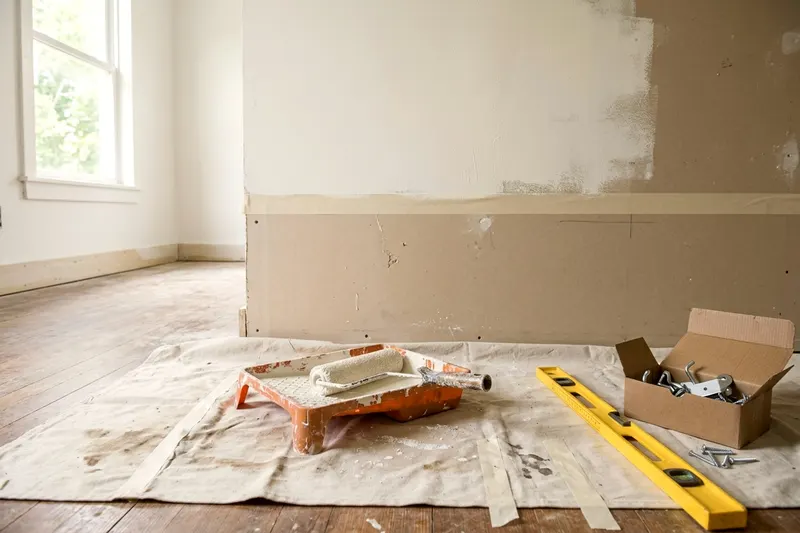
The best diy projects for beginners start small and forgive mistakes. You build confidence by fixing a loose hinge or painting a room before tearing apart a kitchen. These tasks are ranked from a simple ten-minute hardware swap to a full weekend floor installation.
What makes a project good for a first try
A good first task needs few tools and cheap materials. You want a job where a mistake costs a few dollars in wasted caulk or paint. Fixing a small flaw teaches you how materials behave. You learn to handle basic hand tools safely.
Projects that look great online often need expensive saws or routers. Stick to basic repairs and upgrades that use supplies you already own. The right jobs teach you how to drive screws with a drill without stripping them. You also learn how to measure accurately and apply even pressure.
Look for jobs you can abandon if needed. If you paint a wall and get tired, you can wash your brush and finish tomorrow. If you pull off a toilet to replace a wax ring, you block that bathroom entirely. Start with tasks that do not disrupt your whole house.
Ten-minute jobs tightening hardware and caulking tubs
The easiest tasks take only a screwdriver or a utility knife. You can tighten loose cabinet hinges in a few minutes. Cabinet doors sag over time. A quick turn of the hinge screws brings them back into alignment.
Open the door and find the adjustment screws inside the hinge. Turn them slightly to see how the door moves. These quick repairs teach basic home maintenance.
Replacing old cabinet knobs is another fast job. You just unscrew the old hardware and drive the new screws in. Use the same screw holes to avoid drilling into the cabinet face, and take one old knob to the store to match the thread size. New hardware changes the look of a kitchen fast.
Caulking a bathtub or sink seals out water. Old caulk turns brown and peels. Pull the old strip out with a putty knife.
Wipe the gap clean and let it dry completely. Squeeze a steady line of silicone caulk along the seam. Wet your finger and press the caulk smooth.
You get a clean white line that protects your walls. Keep a damp rag nearby to wipe up mistakes quickly. Wash your hands well when you finish.
One hour jobs patching drywall and hanging shelves
Small holes in drywall happen easily. A doorknob bumps the wall or an old picture hook comes out. Patching these spots takes about an hour of actual work.
You need a small tub of spackle and a plastic putty knife. Scoop a little spackle and press it firmly into the hole. Scrape the wall flat and wait for the spot to dry.
Sanding the dry spackle creates fine white dust. Wear a dust mask and safety goggles before you start sanding. Rub a sanding sponge lightly over the patch until it feels smooth. You can then dab a little matching paint over the repair, and the hole vanishes completely.
Hanging heavy items on drywall requires finding the wood studs behind the wall. A stud finder beeps when it locates the solid wood. Put on your safety glasses before you drill into the wall, and drive your screws directly into the studs to hold heavy shelves securely. If you miss the stud, patch the small hole with your spackle and try again.
Replacing your furnace filter is a quick job. Slide the old cardboard filter out and push the new one in. Check the arrows on the new filter edge to match the air flow direction. A clean filter can help your system run well, so write the date on the edge.
Afternoon jobs painting walls and upgrading trim
Painting a room takes a few hours of prep and an afternoon of rolling. You will want a roller, a brush, a drop cloth and blue painter's tape. Clear the room of furniture and tape the baseboard edges. It helps to paint in the right order, starting with the ceiling before moving to the walls and trim.
Older houses require care before you sand any painted surface. EPA says homes built before 1978 may have lead based paint. EPA advises that if you must sand old paint, wet the area first, sand the minimum area needed and clean up thoroughly. Wetting the area helps keep dust out of the air, so clean up thoroughly when you finish.
A fresh color makes a room look completely different. Practice your brush skills inside a closet if you feel nervous. Once you know how the paint covers, move to the main walls. Roll the paint in overlapping strokes to prevent streaks.
Upgrading your baseboards is another great afternoon task. Pry the old boards off with a flat bar, then measure the walls and cut new pine boards to fit. You can make a straight cut with a circular saw or use a manual miter box. Nail the new boards to the wall studs and paint them bright white.
Weekend jobs a peel and stick backsplash or a new floor
A full weekend gives you time to measure, cut and lay new surfaces. Putting up a peel and stick backsplash is a popular weekend task. Wash the kitchen wall with a degreaser or cleaner and dry it well, and follow the backsplash maker's instructions.
Measure the space and cut the vinyl sheets with a utility knife. Use a cutting mat to protect your counters. Peel off the backing and press each sheet firmly into place.
The sticky backing holds fast to clean drywall. The job can stretch into Saturday evening if you have many outlets to cut around. Take your time aligning the tile patterns so the seams disappear.
Laying a small floor transforms a bathroom or laundry room. Laminate planks snap together and float over the subfloor. You need a saw to cut the planks to fit the room.
Put on your ear protection and safety goggles before making the first cut. OSHA advises securing work with clamps or a vise so both hands are free to operate the tool. This helps keep the plank steady and your fingers away from the blade.
If you plan to remove an old floor first, be careful with old vinyl. EPA lists vinyl floor tiles and textured paint and patching compounds on walls and ceilings among places asbestos may be found. You cannot know the risk just by checking the color or pattern. EPA says you generally cannot tell whether a material contains asbestos by looking at it unless it is labeled.
Leave old vinyl tiles alone, never sand or scrape them, and lay your new planks directly over them. A beginner may need a full weekend for a small square room. Take your time measuring the final row of planks, as the baseboard covers the small gap between the planks and the wall.
Jobs to leave to a licensed pro
Some home repairs are too dangerous for an amateur. You must call a licensed professional for anything involving gas pipes. A mistake with gas can be dangerous. Never attempt to move a gas stove or install a gas dryer yourself.
Electrical work also requires a professional. Swapping a light switch cover plate is usually a low risk job, but ask a licensed electrician if you are unsure. Wiring a new breaker panel or running cables through walls is not safe for beginners. A mistake here can risk a fire or an electric shock.
Major plumbing work goes to the experts too. You can swap a shower head or replace a rubber washer in a leaky faucet. Moving drain pipes or installing a new water heater requires a plumber. Water damage can ruin floors and drywall, so hire a licensed plumber for work on drain pipes or a water heater.
Roofing and structural work also belong to professionals. Walking on a steep roof is a serious fall hazard, so leave roof work to a licensed roofer. Tearing down a wall to open up a room might remove a load bearing support. Ask a structural engineer or licensed builder before you touch a wall.
How to pick your first one and finish it
Choose a task that fixes something that annoys you daily. A squeaky door or a loose drawer handle gives you a quick victory.
Gather every tool and material before you start. You lose momentum if you have to drive to the big box store halfway through the job.
Keep a set of basic hand tools in a bucket ready to go. You will want a hammer, a tape measure and a good screwdriver. You can build up a basic set of hand tools before starting. Having the right gear stops you from using a butter knife as a screwdriver.
Start early in the day when you have plenty of natural light. Read the printed instructions on any adhesive tube or paint can. Give materials the full time they need to dry completely.
A rushed job often needs to be done twice. Be patient with yourself and clean your tools when you finish.
Line up your next job
-
Build a pair of simple sawhorses from 2x4 lumber
Searching for diy sawhorse plans is a good way to get a solid work surface, and building a pair from 2x4 lumber takes just a few basic tools.
-
DIY wainscoting a beginner can put up in a weekend
Building DIY wainscoting adds character to a plain room in a single weekend when you follow these simple steps to measure, cut and paint.
-
Hanging peel and stick mirror tiles so they sit flat
Learn how to hang peel and stick mirror tiles on your wall so they sit perfectly flat, align straight and stay put and come down with care.